Endocrinology ·
FDA clears automated insulin delivery in type 2 diabetes; AI lifts retinopathy follow-up in Tanzania; digital GLP-1 program reports 15.5% loss
Listen to this post
read by AI voices · all episodesTHE SHORT READ
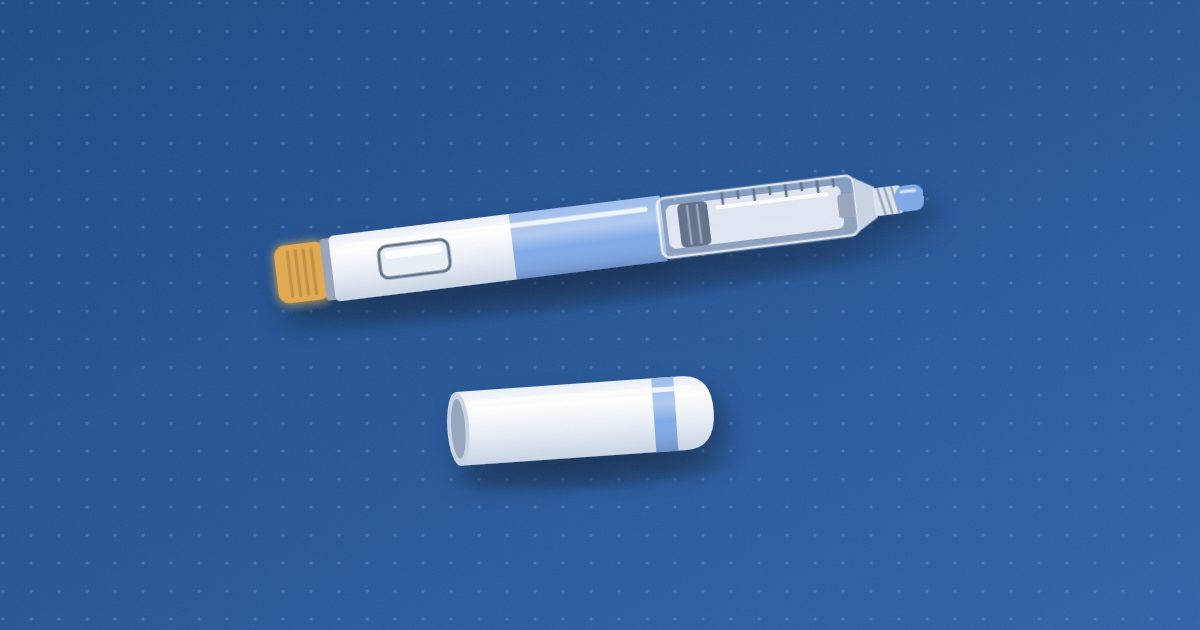
Sequel said Oct. 16 that the Food and Drug Administration (FDA) cleared its twiist automated insulin delivery system for adults with insulin-treated type 2 diabetes.
In a randomized trial in 24 Tanzanian hospitals, 35.9% of people with referable diabetic retinopathy attended an eye clinic within eight weeks after AI-supported screening, versus 18.2% with standard screening, and a Nature Medicine study of 8,127 women in a digital-first GLP-1 program reported 15.5% mean weight loss.
THE DETAILS
- FDA Oct 16, 2026Sequel said Oct. 16 that the Food and Drug Administration (FDA) cleared its twiist automated insulin delivery system for adults 18 and older with insulin-treated type 2 diabetes. In a multicenter pivotal trial of 307 adults at 30 U.S. sites, HbA1c improved on average by 0.7% from a baseline mean of 8.1% (P < .001), and mean time in range rose from 57% to 73%, according to the company. No severe hypoglycemia events were reported during the study, the company said. The system launched nationally for type 1 diabetes in March 2026.Source: Sequel
- AI Oct 12, 2026A randomized controlled trial published Oct. 12 in The Lancet Global Health enrolled 2,378 people at noncommunicable disease or diabetes clinics in 24 hospitals in Tanzania. The 1,192 assigned to AI-supported screening were given their screening result plus face-to-face counseling; the standard-care group had deferred human image assessment and got results by telephone a few weeks later. For the primary end point, among those with referable diabetic retinopathy, 157 of 437 (35.9%) in the AI group attended the central ophthalmology clinic within eight weeks, versus 85 of 467 (18.2%) with standard care (odds ratio 2.52, 95% CI 1.86 to 3.42).Source: The Lancet Global Health
- Research Oct 16, 2026An observational study published Oct. 16 in Nature Medicine followed 8,127 women in the U.K. starting GLP-1 receptor agonist therapy (99.8% tirzepatide) through a self-pay, digital-first program with weekly video-supported follow-up, co-operated by eMed Healthcare UK and SheMed. Mean weight reduction was 16.1 kg, or 15.5% of baseline weight, and retention was 91.4% at six months with no serious treatment-related adverse events, the authors reported. They said interpretation is limited by the observational design and the absence of a comparator group.Source: Nature Medicine
- Research Oct 13, 2026A study published Oct. 13 in npj Digital Medicine examined 48 continuous glucose monitoring (CGM) metrics in the iCanNet cohort of 90,757 participants and built a digital glycemic risk score to quantify complication risk in type 2 diabetes. Sustained hyperglycemia was associated with a 59% increased risk of acute complications. Among patients achieving time in range of at least 70%, the score reclassified 25.0% and 22.3% to high-risk groups for acute and chronic complications, respectively.Source: npj Digital Medicine
- AI Oct 14, 2026A study published Oct. 14 in Nature drew on a cohort of 101,243 patients from a large cancer center and used a machine learning approach to semi-automatically quantify brown adipose tissue activity in approximately 8,700 of them. Higher brown fat activity, especially in the axillary depot, was associated with lower odds of cardiometabolic diseases, the authors reported.Source: Nature
The weekly innovation roundup for endocrinology, published every Sunday for the week before; every item links to its sources. Latest endocrinology news · All specialties