Anesthesiology ·
Holding ACE inhibitors or ARBs before surgery cuts hypotension; FDA alerts on Intersurgical breathing tubes and Arrow guidewires
Listen to this post
read by AI voices · all episodesTHE SHORT READ
Withholding ACE inhibitors or angiotensin receptor blockers on the morning of non-cardiac surgery lowered perioperative hypotension in a 2,036-patient double-blind trial of older adults in The BMJ, published Nov. 11. The Food and Drug Administration (FDA) issued early alerts on Intersurgical breathing tubes that may disconnect and Arrow guidewire products whose coating may detach, and oliceridine was noninferior to remifentanil for analgesia in ventilated ICU patients.
THE DETAILS
- Research Nov 11, 2026In a double-blind, placebo-controlled trial at five tertiary teaching hospitals in China, published in The BMJ, 2,036 patients aged 60 to 80 taking angiotensin converting enzyme inhibitors or angiotensin receptor blockers were randomized to their usual drug or placebo on the morning of non-cardiac surgery under general anesthesia. Among 2,012 who completed the study, perioperative hypotension, the primary end point, occurred in 31.2% of the placebo group versus 45.5% of those who took their drug (adjusted odds ratio 0.52, 95% CI 0.43 to 0.63). Intraoperative fluid volume, postoperative hypotension, 30-day complications and mortality did not differ significantly.
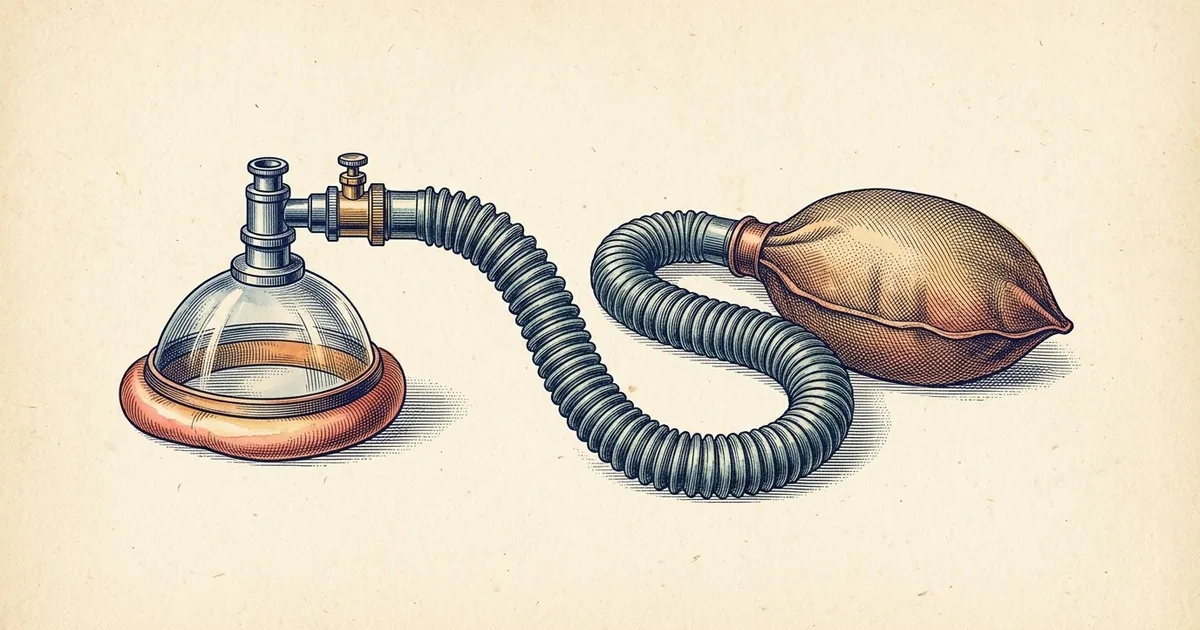
- FDA Nov 10, 2026The Food and Drug Administration (FDA) issued an early alert on Intersurgical's removal of specific lots of 22mm Smoothbore breathing tubes and systems, some of which were manufactured with too little solvent to ensure a secure connection. Loss of ventilation could lead to organ failure, brain damage or death from hypoxia, according to the FDA. The company sent customers a letter Nov. 3 telling them to immediately discontinue use and quarantine affected lots, and as of that date it reported no serious injuries or deaths.Source: FDA
- FDA Nov 10, 2026The Food and Drug Administration (FDA) issued an early alert on Arrow International's removal of products with hydrophilic-coated spring wire guide components, including Arrow marked guidewires, pressure-injectable peripherally inserted central catheters and the Arrow VPS Precision Stylet, after Teleflex confirmed the coating may swell inconsistently when hydrated with saline. Detached coating could release particles into the bloodstream and raise the risk of emboli, according to the FDA. The company sent customers a letter Nov. 5 and reported no serious injuries or deaths.Source: FDA
- Research Nov 10, 2026In the CO-ROAM trial at 19 intensive care units in China, published in Intensive Care Medicine, 307 mechanically ventilated adults were randomized to oliceridine, a G protein-biased mu-opioid receptor agonist, or remifentanil. In the 304-patient modified intention-to-treat population, median time in the target analgesic range, the primary end point, was 96.0% versus 92.3% (absolute difference 3.7%, 95% CI -0.3 to 5.7), against a noninferiority margin of -10%. Respiratory depression occurred in 0% versus 4.6% of patients (P = .015), and ventilation duration, ICU stay and 28-day mortality did not differ.Sources: Intensive Care Medicine, PubMed
The weekly innovation roundup for anesthesiology, published every Sunday for the week before; every item links to its sources. Latest anesthesiology news · All specialties